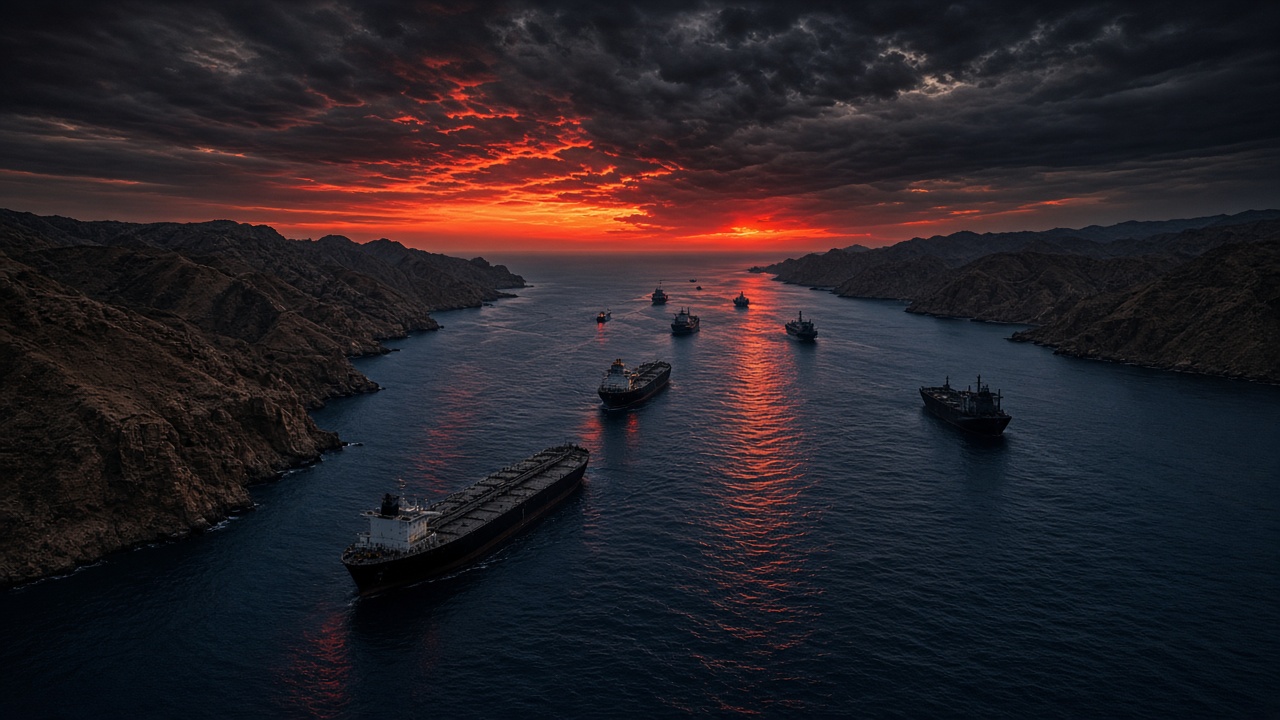
The Strait of Hormuz, a mere 30 miles at its narrowest, is one of the planet’s key oil chokepoints. Today the waterway is locked in a steadily intensifying conflict: Washington says the Strait is open but under the control of the United States. And, in line with that stance, oil from Iran will not travel.
What “open” means right now
The blockade, as described by U.S. officials, is meant to stop ships entering or leaving Iranian ports. There is no stated plan to shut the Strait of Hormuz to every vessel that only transit the waterway. President Trump said last week that Iran is getting “nothing through.” U.S. Central Command reported that dozens of ships had changed course and taken longer routes since the measures were tightened in mid-July.
Meanwhile, Iran has floated conditions for a fuller reopening, including talks with Oman on a temporary shipping corridor and mine-clearing. Direct U.S.–Iran talks have remained frozen.
Operation Economic Outcast
On August 24–25, 2026, the U.S. Treasury launched Operation Economic Outcast, calling it an “economic D-Day.” To squeeze Tehran’s remaining lifelines, Washington rolled out secondary sanctions aimed at oil buyers, operators of the so-called shadow fleet, and exchange houses and banks that help move Iranian money or cargo.
Early designations across Asia and the Gulf were watched as a warning to facilitators. The hardest test, though, is China — still Iran’s biggest oil customer — and other partners who may refuse to cut ties under U.S. pressure.
Why this vote matters
Oil prices, insurance costs, and Asian supply routes are all at risk if Hormuz shifts from a managed chokepoint into a large-scale disruption. Iran warns it will restrict flows if neighbors join the isolation campaign. The U.S. bets that maximum pressure will force a negotiation that ends in a deal.
But more is at stake than who draws the map. Will pressure bring talks — or a long, costly stalemate?
Vote now, and tell us in the comments: talks first, or pressure first?
Your pick?
Will pressure force a real Hormuz deal before year-end?
0 people voted
Comments are for members only. Admins may remove inappropriate comments.
조회 19